


My Five Favourite Vegan Menopause Supplements

Updated: Jun 7
Note: This post was originally published in 2025 and has been updated for 2026 to include a bonus sixth supplement I've been recommending more and more with clients.
I was in perimenopause. I had gained weight, felt fatigued, and was too exhausted to exercise. When I started looking into what my body actually needed at this stage, supplements became one piece of a bigger shift that helped me lose 20 pounds as a vegan woman in perimenopause.
These five (plus one bonus) are what I come back to again and again, both for myself and for the women I work with inside my coaching program. I’m sharing them here because in my menopause journey, I wasn't able to find information that specifically applied to vegan women.
There are so many options and information out there when it comes to supplements, it can be hard to know exactly which supplements you should be taking. It’s always a good idea to work with a practitioner when choosing supplements to ensure that the supplement and dosage is right for you and that there are no contraindications, but here's where I generally begin.
In this blog post, we’ll explore my top five vegan supplements that can help with menopause and support your overall well-being!
If you’re already using some of these and the weight still isn’t moving, that’s usually a signal that the approach as a whole needs to be built around where your body is right now, which is exactly what we work on inside the Menopause Weight Loss Breakthrough, my 12-week 1:1 program for vegan women in perimenopause and menopause.
Note: This post contains affiliate links. If you use them to purchase, I would receive a small commission which is used to support the podcast. I'm assuming that if you are vegan, you are already supplementing your B12 and vitamin D!
Supplement 1: DHA/EPA
The first essential supplement I always recommend for vegans experiencing perimenopause is a plant-based omega-3 containing DHA and EPA.
The fats we consume in our diet make up the membrane of our cells, and consuming omega-3s makes the cell wall healthier and better able to hold nutrients, communicate with other cells, and be controlled by hormones.
Omega-3 fatty acids, ALA, DHA, and EPA (I won't go into detail on the definitions of each in this post, but the body uses them to make prostaglandins which carry out many important functions in the body) are found in foods such as flax, chia, hemp, and walnuts. These fats get damaged by cooking and heating. They are known for decreasing inflammation.
This is important because during menopause we become more susceptible to chronic inflammation. Other factors that contribute to inflammation include stress, lack of exercise, genetics, exposure to toxins and diet. Managing inflammation can lead to more energy and less fatigue, more mental clarity, and improved mood. It can also slow down the aging process, and lead to better overall health and longevity, as well as better weight management.

The vegan sources of omega-3 fatty acids (flax, chia, hemp, and walnuts) don’t contain EPA or DHA, which omnivores get from fish. These vegan sources contain ALA, which your body can convert to EPA and DHA if you are eating enough of it. But not all of us are efficient at converting ALA to EPA and DHA, and you could be eating these vegan omega-3 sources and not realize that your body is not successfully converting it. According to the book Optimum Nutrition for the Mind, "Our bodies struggle to convert ALA into DHA and EPA -- in fact, hardly any ALA is converted to DHA, while only about 5 per cent of it is converted to EPA".
This could lead to cognitive decline, eye problems, and less than optimal health.
Rather than from fish, vegan DHA/EPA is produced from algae or plankton.
Here is why an omega-3 supplement containing DHA and EPA is an essential vegan menopause supplement:
It supports your brain health, and we know that women have a much higher rate than men of cognitive issues after menopause.
It supports your heart health, and when estrogen decreases, we are susceptible to heart issues.
It supports your eye health, and again, vision problems are another issue that can often arise during menopause.
It's always best to consult with a practitioner to determine the optimal dosage for your individual needs.
My favourite omega-3 brand is NutraVege™ Omega-3 Plant Liquid Gels because it contains both DHA and EPA in vegan form. I like this brand because it contains a lot more EPA than other vegan brands. It’s made from algae oil, and it comes in a gelatin-free capsule, which for me is much nicer than taking it in liquid form by a spoon. Learn more and purchase here. For a US alternative, learn more here.

Supplement 2: Magnesium
Another important vegan menopause supplement to consider is magnesium.
Magnesium is a mineral that helps with muscle relaxation and nerve function. It can relieve anxiety, depression, and pain. Low levels of magnesium can lead to muscle spasms and overly sensitive nerves.
Here are some more reasons why magnesium will be helpful during menopause:
It can be used as a natural sleep aid, and many people sleep well after taking magnesium before bed.
It can help with headaches.
It is important in bone mineralization but doesn’t get the same attention as calcium. Women with osteoporosis are commonly deficient in magnesium.
Magnesium is one of my favourite supplements to recommend because it can work so quickly to help you relax, relieve muscle tension, while also supporting the health of your bones and teeth.
The typical dosage for magnesium is 250-300 mg. When taking magnesium, it's essential to follow the instructions on the label or consult with a practitioner if you’re unsure how much to take.
My favourite magnesium brand is CanPrev Magnesium Bis-Glycinate 200 Gentle because it comes in a vegan capsule, it’s easy on the digestive system, and doesn’t contain any fillers. Learn more and purchase here. For a US alternative, learn more here.

Supplement 3: Inositol
The next supplement to consider taking for menopause is inositol.
Inositol is a relative of the B-vitamin family, sometimes known as vitamin B8, although it’s not actually a vitamin. It can help with insulin resistance.
During and after peri-menopause, and with the drop in estrogen, women become more susceptible to insulin resistance and metabolic syndrome. This can mean weight gain, cardiovascular changes, and increased risk of type 2 diabetes. Inositol can help bring your blood sugar and insulin sensitivity back into balance.
Inositol also helps regulate hormone levels. It can reduce testosterone production in women – yes, we have testosterone, and when it gets out of balance it can cause female pattern hair loss as well as chin hairs.
Here are some more reasons why inositol will be helpful for menopause:
It helps with neurotransmitter sensitivity, improving mood and decreasing anxiety.
If you are still having cycles, inositol can help improve cycle regularity, especially if you have PCOS.
It can help with weight management.
It’s best to consult with a practitioner to determine the dosage and whether inositol would be suitable for you.
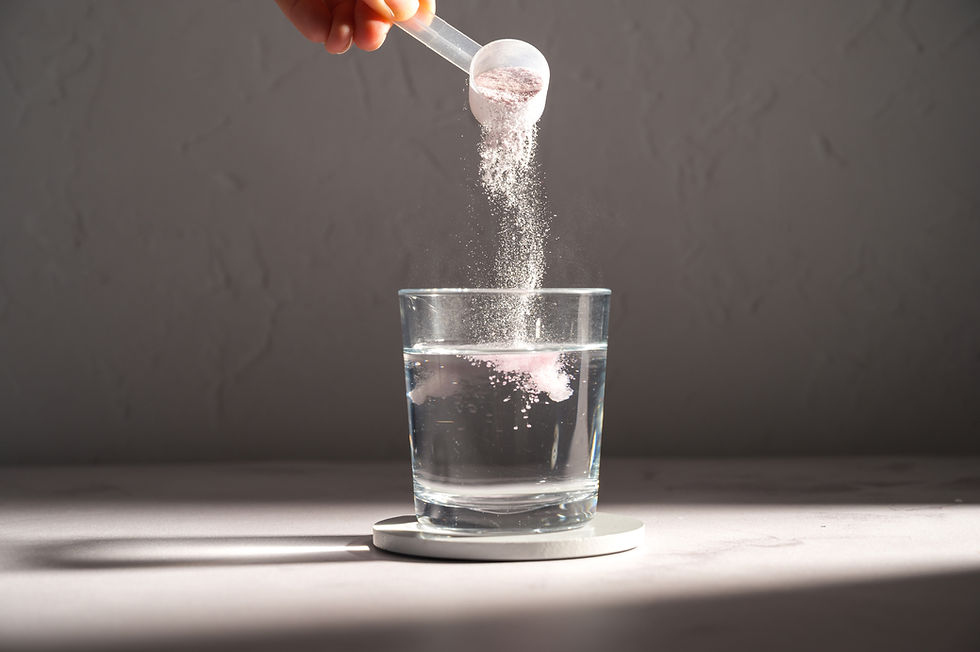
My favourite inositol brand is actually a blend: Relax Matrix Powder. The blend also contains 300 mg of magnesium, which I just spoke about, as well as two amino acids, taurine and L-theanine, and the neurotransmitter GABA, that work synergistically to give you an extra mood boost in addition to all of the other benefits of the inositol. Relax Matrix Powder is just dissolved into water and tastes a bit sweet but doesn’t really have a flavour, so it is pretty easy to drink. Learn more and purchase here. For a US alternative, learn more here.
Supplement 4: Essential Amino Acids
Another supplement for vegans to consider taking for menopause is essential amino acids (EAAs). Amino acids are the building blocks of protein, and essential amino acids are not produced by the body so you need to get them from food.
EAAs are usually recommended for athletes, but after perimenopause it may be beneficial to supplement them. As we get older we lose our ability to absorb protein and a supplement can help boost that absorption.
Leucine is the main amino acid responsible for muscle growth. Menopausal changes cause muscle tissue to catabolize or break down at an increased rate. Leucine helps stop this catabolic process and helps maintain muscle tissue.
This helps with strength and staying active into post menopause. Keeping as much muscle mass as possible can mean staying independent in your senior years – muscle strength is very much "use it or lose it".
EAAs can help with fatigue after exercise. This is especially important if you have not been consuming sufficient protein and your body breaks down muscle tissue to fuel itself. If you are depleted you may really notice a difference right away with supplementation.
The required amounts of amino acids change as we get older, and as with all supplements, it’s a good idea to consult with a practitioner to determine the appropriate amount for you.
My favourite EAA supplement is Muscle Matrix Powder because it’s vegan – not all amino acid supplements are vegan. It dissolves really well in water and comes in four different flavours, but you can also get it in capsuls. It has all of the essential amino acids in the ratio the body needs. This blend is also indicated not just for athletes, but also for sedentary individuals, elderly, or people recovering after surgery. Learn more and purchase here and save 10% using the code BLISSFUL.
Supplement 5: Rhodiola
The last supplement to consider taking for menopause is a botanical supplement called rhodiola.
Rhodiola is an adaptogen, which, simply put, means a herb that helps the body adapt to stress. Adaptogens have a normalizing effect on the organs and help regulate the stress response. Because of this, they can both help you feel more energy as well as get a better night’s sleep! Rhodiola is an Arctic herb also known as golden root or rose root, and it’s taken traditionally for longevity. It can help with a wide variety of health issues, and what I’m listing is only some of the possible benefits.
Rhodiola can help fight fatigue and boost your energy. It helps balance the neurotransmitters serotonin and dopamine, which can get out of balance during menopause and cause mood swings. It supports your adrenals and reduces the stress hormone cortisol. Rhodiola is also known to boost cognitive function and reduce brain fog.
Here are some more reasons why rhodiola will be helpful for your menopause:
It can improve blood sugar.
It helps with mitochondria function which improves your energy. This can help if you are experiencing menopause-related fatigue and having difficulty feeling enough energy to exercise.
It can help with weight loss by improving your metabolism.
It helps with immunity.
The recommended dosage for rhodiola varies depending on individual factors but should not exceed 600 mg per day. Although rhodiola can help reduce the stress hormone cortisol which would contribute to better sleep, it’s best to take rhodiola early in the day because it has a mild stimulant effect.
You might be noticing a pattern that it’s always a good idea to consult with a practitioner to determine the appropriate amount for you, and rhodiola is no different! If you are taking HRT, you should seek advice before taking rhodiola.
My favourite rhodiola brand is AOR Rhodiola because it’s certified vegan, non-GMO, and gluten free. Learn more and purchase here. For a US alternative, learn more here.
Bonus Supplement for 2026: CoQ10 (as Ubiquinol)
I’ve been recommending CoQ10 more and more lately, and it’s become a supplement I wanted to add to this list properly.
CoQ10 is a compound your body produces naturally that plays a central role in how your cells generate energy. The problem is that production declines with age, and it’s found primarily in animal foods, with only small amounts in plant sources. That makes it particularly worth paying attention to if you’re vegan and noticing that your energy just isn’t what it used to be.
In perimenopause and menopause, declining estrogen affects mitochondrial function, which is your cells’ ability to produce energy efficiently. CoQ10 supports the mitochondria. For many of the women I work with, fatigue is the thing that makes everything else more difficult (like finding energy for meal prep or exercise, or feeling the need to reach for caffeine or sugar). Addressing it at a cellular level makes a big difference.
CoQ10 also has research support for reducing inflammation, supporting heart health (which becomes more important as estrogen declines), and helping with insulin resistance and lipid metabolism. I’ve written more about the connection between CoQ10 and liver health in menopause in my post on menopause and fatty liver if you want to go deeper on that.
Look for CoQ10 in the ubiquinol form. It’s the active form your body uses and is better absorbed than ubiquinone, especially as we get older. As with all supplements, check with your practitioner for the right dosage for you.

Using Vegan Menopause Supplements
When it comes to menopause, supplements can definitely play a positive role.
And while omega-3s, magnesium, inositol, EAAs, rhodiola, and CoQ10 are amazing options and can help with such a variety of menopause symptoms, supplements work best when they’re supporting a solid foundation: food that actually satisfies you, sleep that’s being addressed, and stress that’s being managed.
Supplements should never replace or take priority over a nutrient-dense, balanced diet, or healthy lifestyle habits!
If you want support putting together an approach that works for your body right now (not just which supplements to take, but the whole picture) that’s what I help with inside my 12-week one-on-one coaching program.

Like this post and want to read more? You might also find these helpful:
About the Author
Anna Pelzer is a Registered Health and Nutrition Practitioner, certified Food Addiction Coach, and meditation and yoga nidra instructor. She lost 20 pounds in perimenopause on a vegan diet, after being told it couldn't be done, and now helps vegan women in their 40s and 50s do the same inside her 12-week program, The Menopause Weight Loss Breakthrough. She is the host of The Vegan Menopause Podcast.
References:
Groves, Maria (2016). Body Into Balance. Storey Publishing.
Holford, Patrick (2007). Optimum Nutrition for the Mind. Hachette Digital.
Mosconi, Lisa (2024). The Menopause Brain. Penguin Random House.
Murray, Michael (2012). The Encyclopedia of Natural Medicine. Atria Books.
Simms, Stacy (2022). Next Level. Rodale Books.
DISCLAIMER: This website's information is general in nature and for informational purposes only. It does not constitute medical advice and is not intended to substitute for professional medical advice, diagnosis, or treatment.
Comments